

Shape-Folding Container Houses: What We've Learned From 5 Years of Building Them
Most folks don't realize how messy temporary housing gets until they're stuck with it. Last year in Nepal, I watched a relief worker spend 3 hours patching a tent that'd torn in the wind-while her team shivered inside, because the heater kept shorting out. That's the kind of problem we built our folding container houses to fix. Not as a "perfect solution," but as something that works when the chips are down-after 5 years of shipping these to remote sites, we've learned more about what breaks (and what doesn't) than any spec sheet could say.
How They Actually Work (Not Just What the Brochure Says)
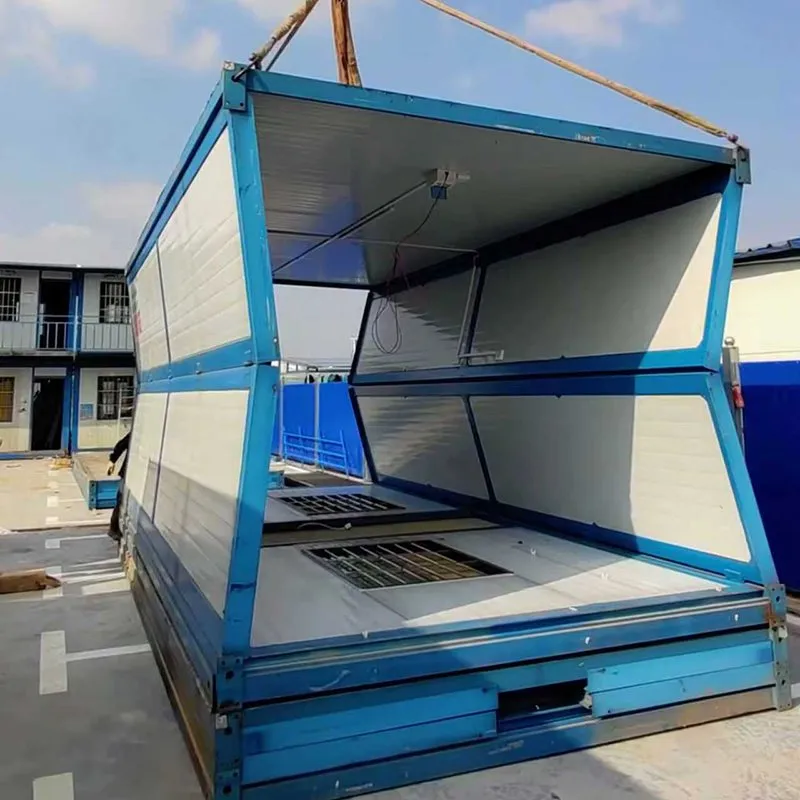
Let's get real: no one cares about "segmented folding structures" until they're trying to haul 10 units up a mountain road. Here's the practical stuff:
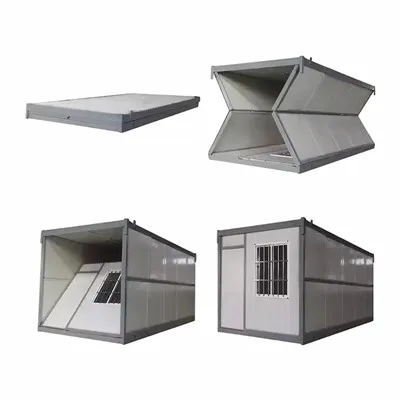
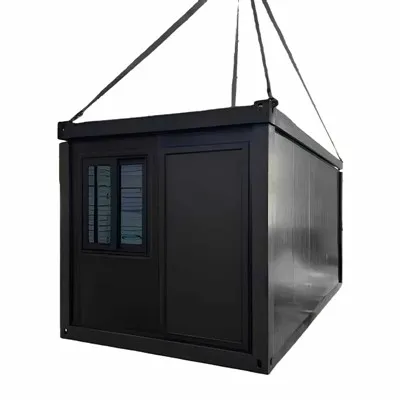
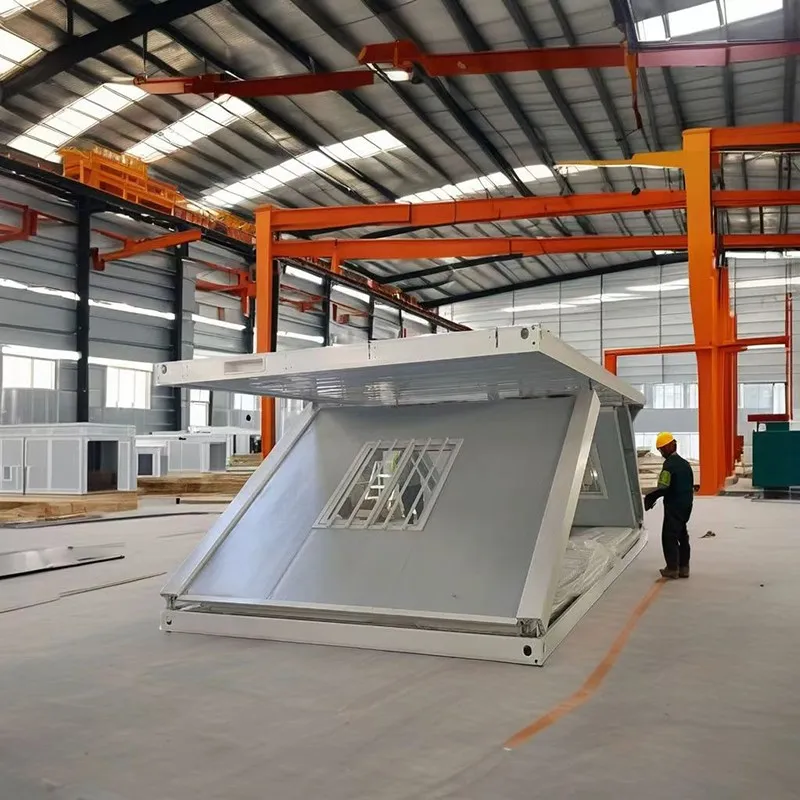
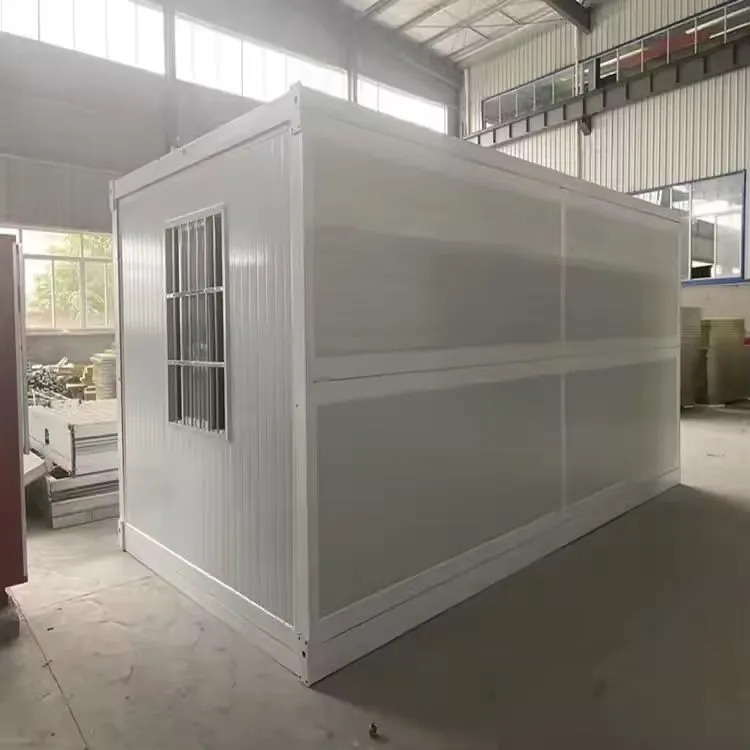
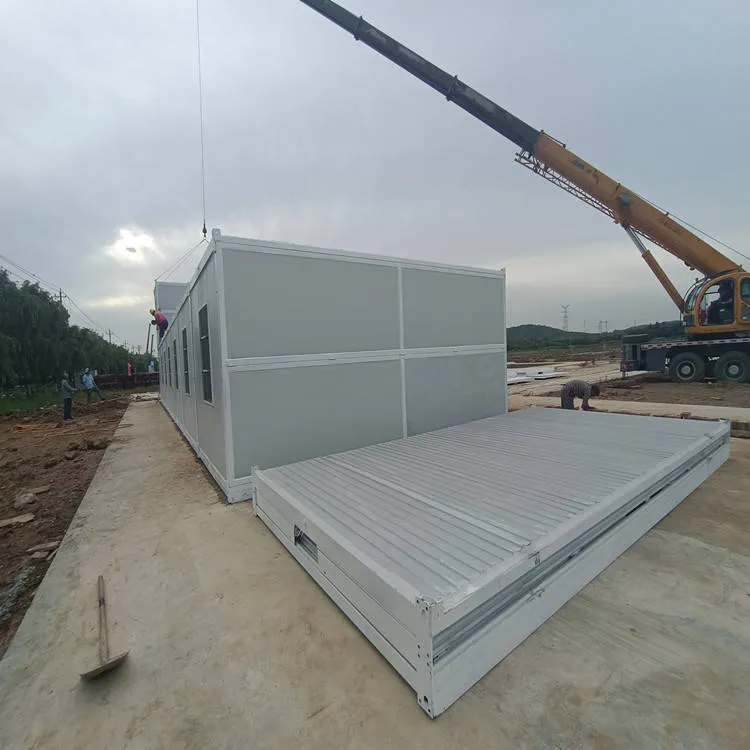
Each unit fits 2 to 4 people, but the size isn't the selling point-it's how fast you can get it live. We tell customers "12 to 24 hours" to be safe, but last month a crew in Yunnan (they'd assembled our units twice before) got one up in 9 hours. Folded down, it's 2.5m×1.5m×1.8m-light enough that a small truck can carry 8, but we once had to airdrop 5 to a flood zone in Nepal. The pilot grumbled about "bulky boxes," but when we opened them later, only one had a dented corner (easy to bend back with a wrench).
Inside, it's basic-but functional. A living area, a tiny kitchenette (just a single-burner stove and 50L water tank), and a bathroom with a portable toilet. We used to make the kitchen bigger, but teams kept saying they "didn't need the space"-so we shrank it to save weight. If you need more room, the side panels fold out, but fair warning: if it's windy, you'll want two people to hold them steady. We learned that the hard way in Inner Mongolia-one panel flipped back and scraped the frame. Now we put a little "wind tip" in the manual.
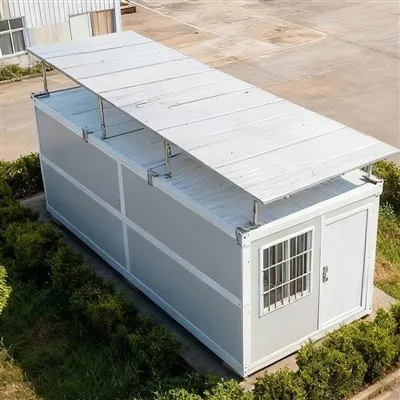
Durability? We've had hits and misses. The frame is Q345 steel-we switched to that two years ago after a unit got banged around on a Sichuan mountain road; the old steel dented so bad we had to send a replacement. Now, that Q345 holds up, but we still tell people: "Don't let a forklift hit the corners-they'll bend, and fixing them takes 3 hours." The walls are triple-layer: galvanized steel outside, 60mm rock wool in the middle, PP board inside. The insulation works-we tested it in Heilongjiang, where it hit -18℃ outside, and indoor stayed 16℃. But here's the catch: if you're in a place with 80% humidity for months (like southern Guangxi), you'll need to wipe the PP board once a week. Otherwise, you might get mold around the window sills. We're working on a better coating, but for now, it's a quick fix.
Wind and quakes? It handles 160km/h winds-we saw that in coastal Fujian last typhoon season. One unit shifted a little, but the doors still closed. Grade 7 earthquakes? We haven't tested that in real life (thankfully), but the lab tests check out. The doors have those pressure locks-they're great for keeping out rain, but we've had customers complain they're "too stiff" when it's cold. Our fix? We started including a small tube of lubricant with each unit. Details, right?
Setup, Reuse, and the Custom Stuff No One Asks For
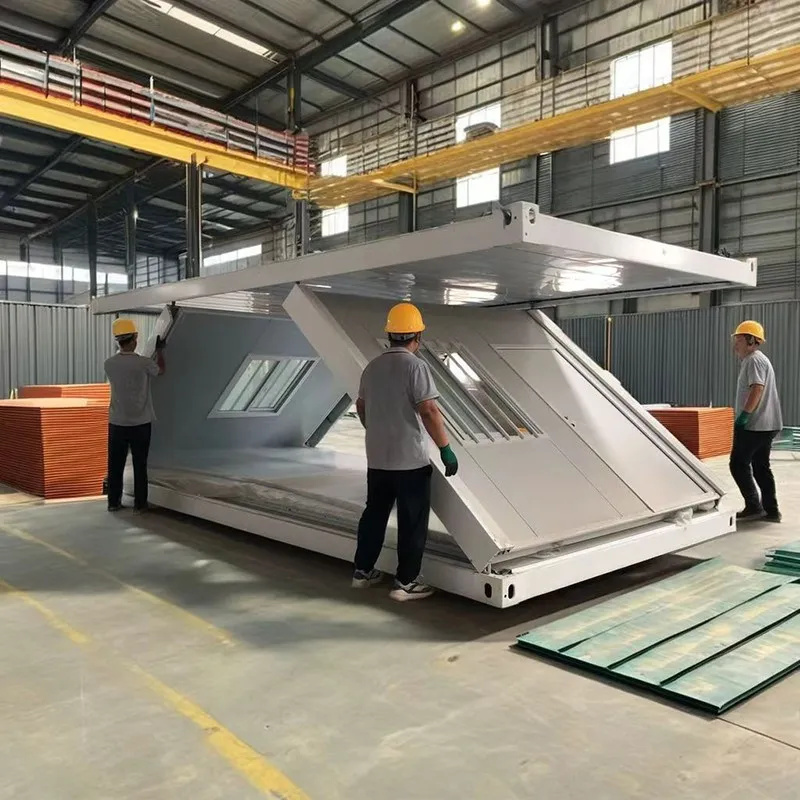
Setup is "two people, one hour"-but only if you've read the manual. Last year, a construction crew in Tibet skipped the steps and tried to fold out the panels first. They bent a hinge. We sent a new one, but it took 3 days to get there. Now, we include a 5-minute video QR code on the box-stupid simple, but it cuts down on calls.
Reuse? We say "20 times," but one unit in Nepal has been folded and unfolded 27 times. It's got scratches all over, and the screen on one window is torn, but it still keeps the rain out. The team there uses duct tape to hold the screen-we don't recommend that, but hey, it works for them.
Standard units come with the basics: moisture-proof walls, anti-slip flooring, a foldable sofa bed (it's not comfortable, but it's better than the ground), and a fire extinguisher. The extras? Most people ask for solar panels-we do 100W or 300W, but the 300W is heavy, so if you're hauling by hand, stick with 100W. For cold places, we offer 80mm insulation, but it adds $300 to the cost. One elderly home in Shanxi asked for lower beds-we had to adjust the folding frame, and it took an extra week, but now we keep that design on file.
From Order to Fix-Ups: What We Actually Do
We're not big on "sales talk." When you call, we'll ask annoying questions: "How rough is the road to the site?" "Will you have electricity?" "Do you need it to handle snow?" Last winter, we sent 10 units to Qinghai without solar shields-turns out, their summer temps hit 32℃, and the indoor got too hot. We shipped the shields for free, but we should've asked. Mistakes happen.
For emergencies (like floods), we fast-track orders, but we'll be honest: if you need 50 units in 3 days, we might have to pull some from our warehouse (which means they might have minor scratches). We don't hide that-better to tell you upfront than have you mad when they arrive.
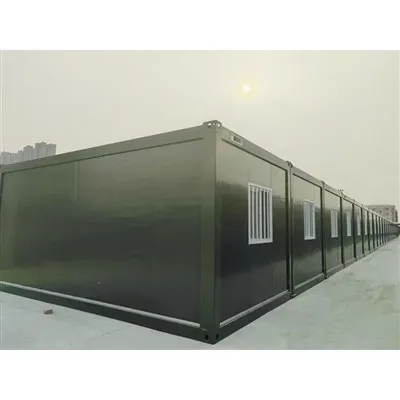
Oh, and we're Aoborui-started in 2018 in Weifang. We're not a "national leader" or anything fancy-just a team of 40 people who build these because we saw how bad temporary housing could be. We have ISO9001 and CE, but the real proof is that 70% of our customers come back.
That Nepal Flood Story (The Messy Version)
You've heard the "perfect" version, but let's talk about what went wrong.
In 2024, a relief group in Nepal needed 50 units fast-floods had wiped out a village, and winter was coming. We sent 40 standard ones and 10 with handrails (for the elderly).
Setup took longer than we said-10 teams, but two of them had never used our units before. By the end of day one, they'd only set up 42. The other 8 got done the next morning. The insulation worked-indoor temps stayed 18℃-but one elderly woman, Devi, told us the bed was "too high." We had some extra wood planks, so we propped up a step for her. She even hung her quilt on the window ledge-something she couldn't do in the tent, because the tent walls were too flimsy.
A month later, they folded the units to move to an earthquake zone. One unit's panel got stuck-turns out, mud had gotten in the hinge. They hosed it down, and it worked. By the end of 2024, those units had been used for 6 months. They needed 4 fixes: two hinge lubrications, a torn screen (duct-taped first, then replaced), and one water heater that stopped working (turned out, a wire had come loose).
Ms. Sharma, who runs the relief group, said we "cut costs by half"-but she also laughed and said, "Next time, send more step planks." We will.
Questions People Actually Ask (No Scripted Answers)
Q: Will this work in -25℃?
A: Maybe, but you'll need the 80mm insulation. We sent one to Mongolia last winter-indoor temp was 15℃, but the door lock froze once. The team kept a lighter in their pocket to thaw it. Not ideal, but it worked. If you're somewhere colder than that, we can't promise-we haven't tested it.
Q: How often do I need to maintain it?
A: Depends on how rough you are. A tourism camp in Yunnan uses theirs gently-they maintain every 3 months, and haven't had issues. A construction crew in Gansu? They never lubricated the hinges, and one broke after 6 months. Just hit the hinges with oil every few months, wipe the PP board if it's humid, and you're good.
Q: Can I stack two units?
A: Yeah, but we only recommend two high. We did three once for a festival, and the top one swayed in the wind. Scared us, so we don't do that anymore. Two high is fine-we include the brackets, but make sure the ground is level. One team in Guizhou stacked them on uneven dirt, and the bottom unit tilted.
Q: How much does it cost?
A: Standard is 2,800–4,500. The elderly-friendly ones are more, but if you buy 10+, we'll knock off 5%. Pro tip: If you don't need solar, skip it-you can add it later for cheaper than buying it upfront.
Q: What if something breaks after the warranty?
A: Warranty is 18 months for the frame, 12 for parts, but we'll still help. A customer in Vietnam had a panel crack after 2 years-we sent a replacement for half price. We're not here to nickel-and-dime; we want you to use the unit for as long as possible.
At the end of the day, these aren't "perfect" houses. They scratch, they sometimes need a little duct tape, and we're still fixing things we didn't anticipate. But when you're in a flood zone, or a remote construction site, or a mountain village where winter hits hard-they work. That's the best we can do.
Hot Tags: z shape folding container house, China z shape folding container house manufacturers, suppliers, factory