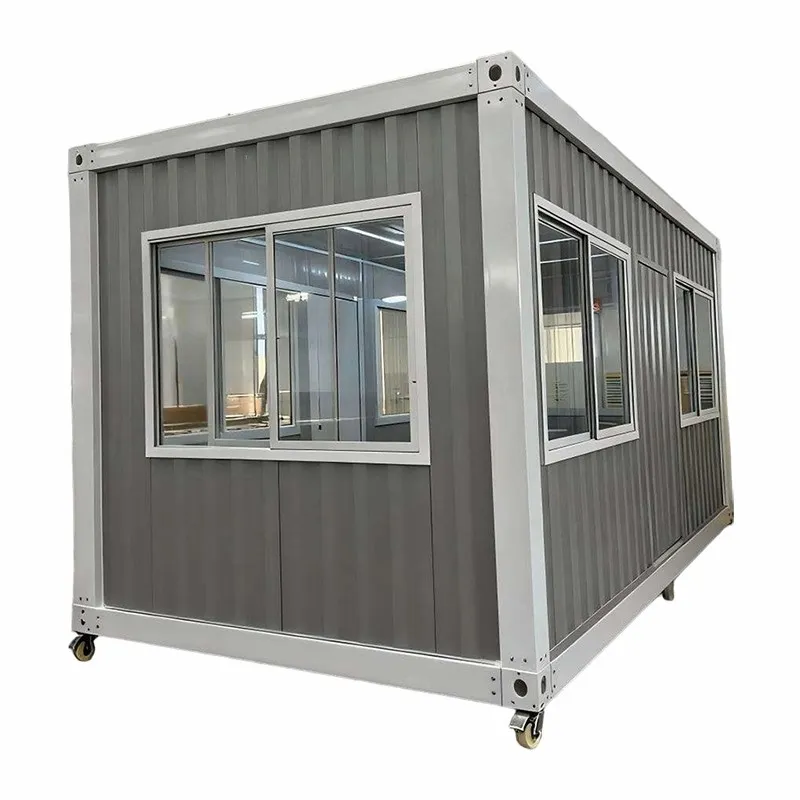
Capsule houses, as an emerging micro-living space, have attracted widespread attention for their compactness, efficiency, and modularity. However, due to their unique design and limited space, capsule house maintenance requires meticulous and systematic management to ensure long-term safety, comfort, and functionality. This article will detail key capsule house maintenance points, covering aspects such as structure, equipment, hygiene, and environmental adaptability.
Structural Maintenance
The main structure of a capsule house is typically constructed of lightweight materials such as aluminum alloy, steel, or composite materials to reduce weight and improve space utilization. To ensure structural stability, the following aspects should be regularly inspected:
1.Frame Inspection: Inspect frame joints monthly to ensure that screws, rivets, or welds are free of looseness or rust. If any abnormalities are found, reinforce or replace damaged components promptly.
2.Walls and Roof: Inspect exterior wall panels for cracks, deformation, or water seepage, especially at joints. On the roof, pay particular attention to ensuring the drainage system is unobstructed to prevent water accumulation and leaks.
3.Foundation and Support: If the capsule house is stationary, check the foundation for stability and whether the supporting structure has settled or tilted due to long-term use. For mobile capsule houses, ensure that the wheels or base are free of wear.
Equipment and System Maintenance
Capsule houses typically have integrated equipment systems, including plumbing, ventilation, heating, and cooling. The proper functioning of these systems directly impacts the living experience and therefore requires regular maintenance:
1.Plumbing and Electrical Systems:
•Water Supply: Check water pipe connections for leaks and ensure that faucets and valves are functioning properly. Clean the water tank or filter regularly to prevent scale and impurity buildup.
•Electrical Supply: Check electrical circuits for aging and sockets and switches for poor contact. Avoid overloading electrical appliances and ensure the grounding system is secure and reliable.
•Sewage: If the capsule house has an independent sewage system, clean the pipes regularly to prevent blockages and odors.
2.Ventilation and Air Conditioning:
•The ventilation system should be kept unobstructed, and filters should be cleaned regularly to prevent dust accumulation that affects air quality. •
If equipped with air conditioning or heating equipment, clean and maintain it according to the manufacturer's recommendations to ensure energy efficiency and longevity.
3.Smart Home Devices: If the capsule house uses a smart control system, regularly update the software and check whether sensors, automatic door locks, and other devices are functioning properly.
Hygiene and Cleaning
Capsule houses have limited space and are prone to accumulation of dirt and odors due to long-term use. Therefore, daily cleaning is particularly important:
1.Surface Cleaning: Regularly wipe down walls, floors, and furniture to prevent stains and mold growth. Use a mild detergent to avoid damaging the surface.
2.Bedding and Soft Furnishings: Mattresses, pillows, and curtains should be washed or aired regularly to prevent the growth of mites and bacteria.
3.Garbage Disposal: Capsule houses are typically small, so garbage must be removed promptly to prevent odor and pest problems. If a garbage compression system is installed, its operation should be regularly checked.
Environmental Adaptability Maintenance
Capsule houses may be used in different climates and geographical environments, so maintenance strategies must be adjusted based on external conditions:
1. Extreme Temperatures: In hot regions, insulation measures should be strengthened and the air conditioning system should be regularly inspected. In cold regions, the insulation should be maintained and the heating system tested for reliability.
2. Humid Environments: If the capsule house is located in a humid area, special attention should be paid to moisture-proofing measures, such as using a dehumidifier or moisture-proof paint, and regular inspections should be conducted for mold and mildew.
3. Outdoor Location: If the capsule house is mobile or placed outdoors, the exterior coating should be regularly inspected for fading or peeling, and wind and rain protection measures should be implemented.
Regular Professional Inspections
While routine maintenance can resolve most issues, it is recommended to have a professional perform a comprehensive inspection every six months or annually, covering structural safety, electrical systems, plumbing, and equipment performance, to ensure the long-term stability of the capsule house.
Conclusion
Capsule house maintenance not only affects living comfort but also directly impacts its lifespan and safety. Through systematic inspection, cleaning, and maintenance, the life cycle of capsule homes can be effectively extended, ensuring stable operation in various environments. Both individual users and operators should attach great importance to the maintenance and management of capsule homes to fully utilize their efficient and environmentally friendly living advantages.