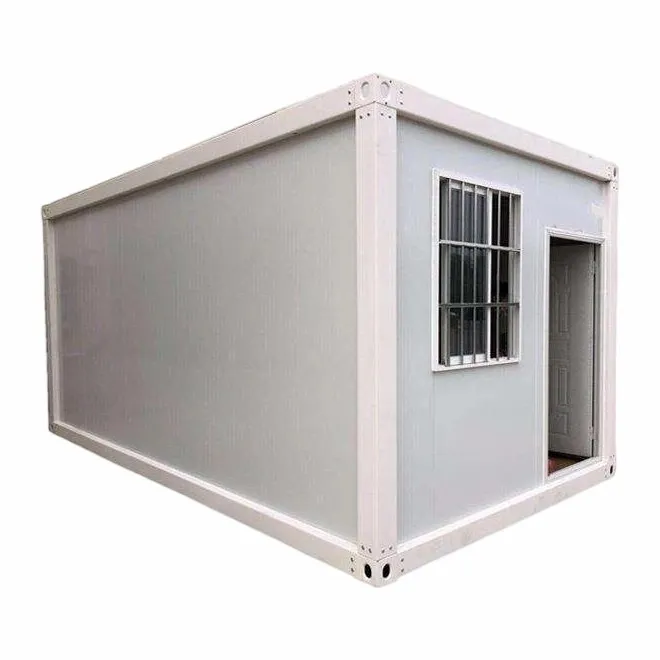
Container homes, as modular, mobile temporary or permanent building solutions, are widely used in construction site dormitories, emergency shelters, vacation homes, and commercial spaces due to their high efficiency, environmental friendliness, and cost-effectiveness. Proper operation of a container home involves multiple steps, including site selection and foundation preparation, transportation and hoisting, installation and mounting, interior decoration and equipment configuration, and ongoing maintenance. The following details the operation methods.
Site Selection and Foundation Preparation
Before installing a container home, you must select a suitable site based on your needs and ensure the following conditions are met:
1.Foundation Preparation: Container homes have relatively low foundation requirements, but the ground must be flat and solid. For long-term use, a concrete foundation (approximately 15-20 cm thick) is recommended, with a slope for drainage to prevent water accumulation. For temporary use, steel plates or wooden planks can be laid to distribute pressure.
2.Environmental Assessment: Avoid low-lying, flood-prone areas and areas at risk of geological disasters. Ensure the surrounding area is clear of safety hazards such as high-voltage power lines and flammable materials.
3.Transportation and Lifting Space: The site must have sufficient space for transport vehicles and cranes. The road width is typically at least 4 meters, and the lifting area must be clear of obstructions.
Transportation and Lifting
Container homes are typically transported to the site by land (flatbed trailer) or sea. Lifting is a critical step:
1.Transport and Securing: During transportation, the container must be secured with steel straps or corner brackets to prevent structural damage from shaking or collisions.
2.Lifting Method: Use a crane or forklift. The lifting points should be the dedicated corner brackets on the top of the container (each with a load capacity of approximately 5 tons). Keep the container level during lifting and slowly lower it into the desired position.
3.
Positioning and Adjustment: Use a small mechanical tool or manual adjustments to fine-tune the container's position to ensure alignment with the foundation and ensure that door and window openings meet design requirements. 3. Installation and Securing
After installation, container homes require stabilization to enhance wind and earthquake resistance:
1.Container Connections: If multiple containers are combined (e.g., to create a two-bedroom, one-living room), they must be connected using angle welding or high-strength bolts, and sealed with sealant to prevent leaks.
2.Foundation Securing: Use expansion bolts or chemical anchors to secure the bottom of the container to the foundation (at least four anchor points per side). Additional reinforcement is required in coastal areas or areas with high wind pressure.
3.Waterproofing: Inspect the joints of the container and seal them with waterproofing membrane or silicone. Gutters or water pipes may be added to the roof.
4. Interior Finishing and Equipment Configuration
The interior of a container home requires customized finishing based on its intended use:
1.Walls and Insulation: The interior walls can be covered with fire-resistant gypsum board or decorative panels, and the interlayer can be filled with insulation (such as rock wool) to enhance thermal insulation.
2. Plumbing and Electrical Installation: Pre-install electrical wiring and connect to an external power source. Water pipes must be frost-proofed (for cold regions). Energy-saving appliances and a rainwater collection system are recommended.
3. Ventilation and Lighting: Install windows or exhaust fans. A skylight can be added to the roof. Air conditioning or a fresh air system is required for large areas.
Maintenance and Precautions
1. Regular Inspections: Inspect the container structure, fixing bolts, and waterproofing every quarter, and promptly repair any rust or damage.
2. Cleaning and Anti-corrosion: Wipe the surface with a neutral detergent to prevent acidic corrosion. In coastal areas, a salt spray coating may be applied.
3. Safety Regulations: Unauthorized modification of the container's load-bearing structure is strictly prohibited. Winter frost protection is required, and ventilation and cooling are essential in summer.
Through these steps, container homes can be safely and efficiently put into use, balancing practicality, affordability, and flexibility, suitable for a variety of scenarios.