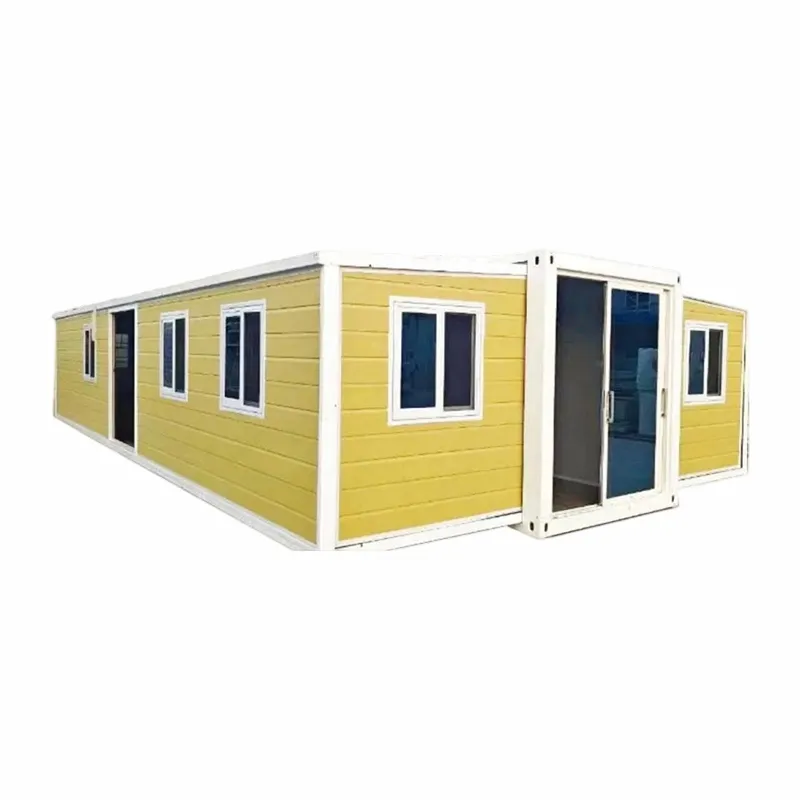
As an emerging micro-living form, capsule houses' core design principle is to optimize living functions within a limited area through efficient space utilization and modular construction. This design not only addresses the challenge of land scarcity during urbanization but also meets modern demand for flexible, low-cost living options.
From a spatial planning perspective, capsule houses adopt a minimalist layout, integrating core functions such as sleeping, storage, and work into compact units. Typically, a single capsule unit measures 2-4 square meters, with functional divisions achieved through vertical layering or horizontal extensions. For example, the upper level may house a bed, while the lower level incorporates a desk or storage space, ensuring ergonomic comfort. The integrated design of walls and furniture further reduces redundant structures, such as built-in storage systems embedded directly into the capsule's mezzanine, saving space while maintaining a clean visual appearance.
Structurally, capsule houses utilize lightweight, high-strength materials, such as aluminum alloy frames paired with composite panels or engineering plastics, ensuring structural stability while facilitating transportation and quick assembly. A modular concept permeates the design. Individual capsules can stand alone or be connected through standardized interfaces to form clustered living units, adapting to diverse scenarios, such as temporary dormitories, emergency shelters, or urban youth apartments.
Environmental control technology is another key element of the capsule housing. Integrated ventilation systems, energy-efficient lighting, and intelligent temperature control maintain livable conditions even within confined spaces. Some designs incorporate passive energy-saving strategies, such as using solar panels for power or phase-change materials to regulate indoor temperature, reducing energy consumption while enhancing sustainability.
The capsule housing design is essentially an innovative exploration of urban living models. Through scientific spatial planning, material application, and technological integration, it meets basic living needs while providing a viable solution for future high-density living environments. As relevant technologies mature, this form of living is expected to play a greater role in balancing urbanization and personalized living needs.